Creating a home office that promotes productivity can make a big difference in how you work and feel throughout the day. Whether you’re working remotely full-time, freelancing, or simply need a dedicated space for occasional tasks, a well-organized and comfortable home office sets the stage for success.
In this post, we’ll explore key tips to help you design a home office environment that enhances focus, minimizes distractions, and supports your overall wellbeing.
Choose the Right Location
Find a Quiet Spot
Look for a space in your home that is quiet and away from household traffic. A separate room with a door is ideal, as it helps minimize interruptions and separate work from home life. If that’s not possible, choose a corner or nook less exposed to noise and activity.
Consider Natural Light
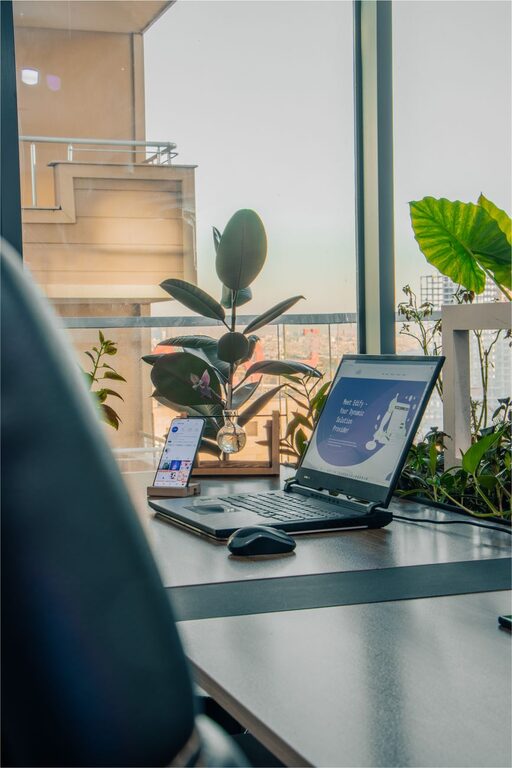
Natural light positively affects mood and energy levels. Position your desk near a window to take advantage of daylight. If natural light is limited, invest in good quality lighting that mimics daylight to reduce eye strain.
Invest in Comfortable Furniture
Ergonomic Chair and Desk
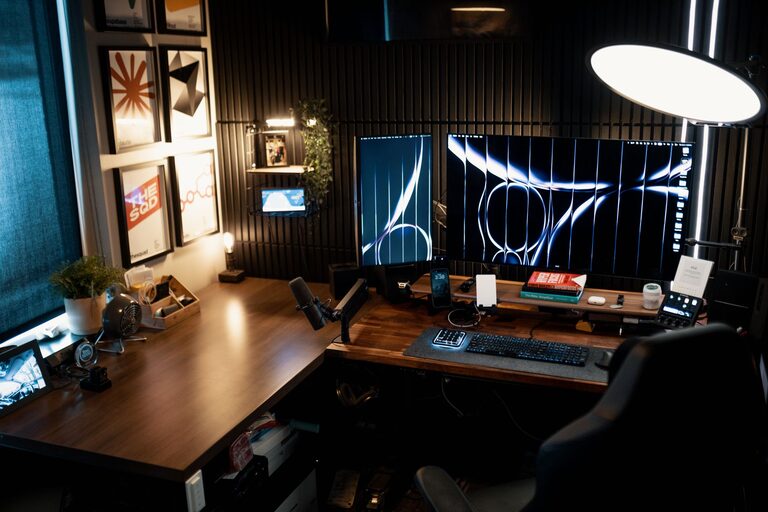
Comfort is key for long hours of work. Choose an ergonomic chair that supports your back and encourages good posture. Adjustable chairs and desks allow you to customize the setup to fit your body and preferences.
Desk Size and Storage
Ensure your desk is large enough to hold your computer, accessories, and any documents you use regularly. Built-in or nearby storage solutions help keep your workspace organized and clutter-free.
Organize Your Workspace
Declutter Regularly
Clutter can interfere with your concentration and increase stress. Keep only the essentials on your desk and store the rest neatly. Regularly decluttering prevents mess from building up.
Use Organizational Tools
Desk organizers, filing cabinets, and shelves help keep items in order. Labeling drawers and folders can streamline your workflow by making everything easy to find.
Minimize Distractions
Manage Noise Levels
If noise is a problem, consider noise-canceling headphones or sound machines that produce white noise. Some people find instrumental music helpful for maintaining focus.
Set Boundaries
If you share your home, communicate your working hours and space etiquette to family or roommates. Clear boundaries support a productive environment and reduce interruptions.
Optimize Technology and Connectivity
Reliable Internet and Equipment
A stable internet connection is essential for most remote work. Test your connection regularly and consider upgrading if needed. Use reliable devices and accessories like keyboards, mice, and monitors to reduce frustration.
Cable Management
Tidy cables not only improve the appearance of your workspace but also prevent accidents and technical issues. Use cable clips, sleeves, or boxes to keep cords organized.
Incorporate Personal Touches and Comfort
Add Plants and Décor
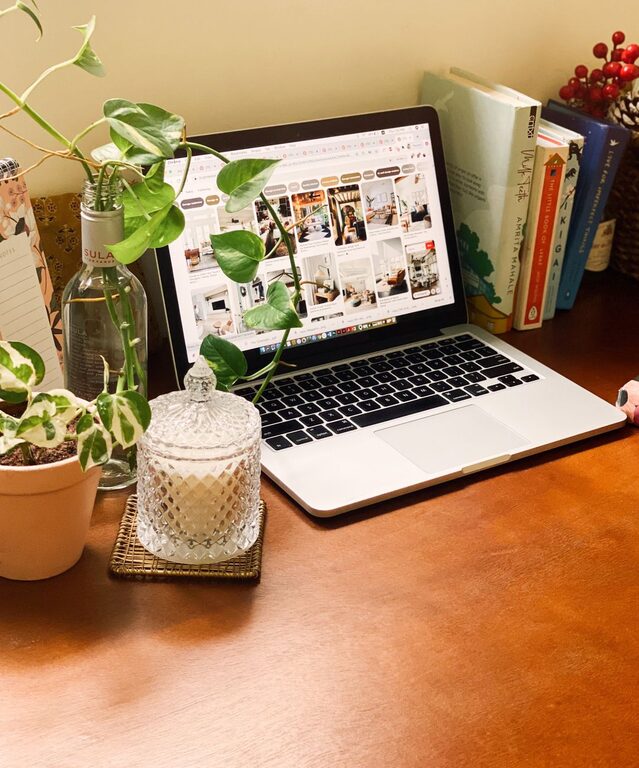
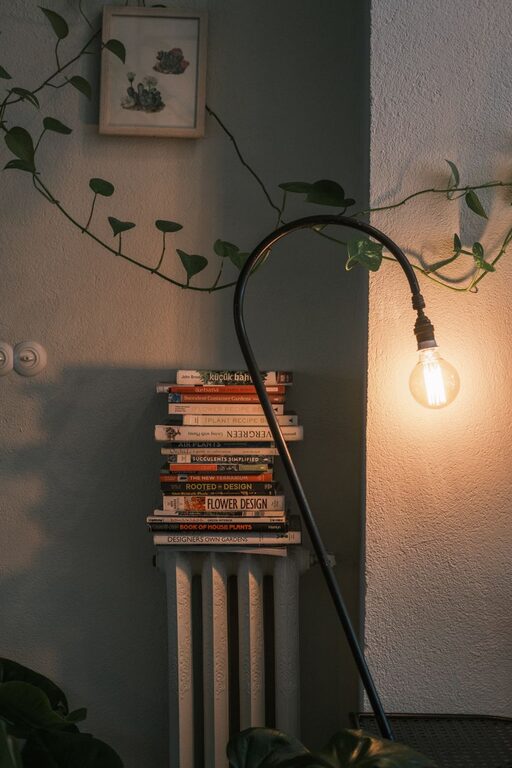
Plants improve air quality and create a relaxing atmosphere. Choose low-maintenance plants if you don’t have a green thumb. Personal touches like artwork, photos, or favorite colors can make your office feel welcoming.
Maintain Comfortable Temperature and Ventilation
Proper temperature and fresh air contribute to alertness. Use fans, heaters, or open windows as needed to keep the environment comfortable.
Establish a Routine and Work Habits
Stick to a Schedule
Having a regular start and end time helps separate work from personal life and builds discipline. Use calendar reminders and plan breaks to maintain productivity.
Take Breaks and Move
Periodic breaks prevent burnout and increase focus. Stretch, walk, or do simple exercises to keep both body and mind refreshed.
—
Final Thoughts
Designing your home office with intention and care supports better productivity and well-being. By choosing the right location, investing in comfortable furniture, organizing wisely, minimizing distractions, optimizing technology, and adding personal touches, you create a workspace that motivates and inspires.
Experiment with these tips, and tailor your environment to what works best for you. A productive home office is within reach—and it can transform how you work each day.